What Does Hail Damage Look Like on a Roof?
Key takeaways
- •Hail bruises are random and circular, unlike the straight lines of mechanical or foot traffic damage
- •Granule loss exposing black substrate is one of the clearest indicators
- •Check soft metals - vents, gutters, flashing - for dents as corroborating evidence
- •Cosmetic damage exclusions can deny dents that do not affect function
- •Get a roofer's written cause opinion rather than inspecting the roof yourself
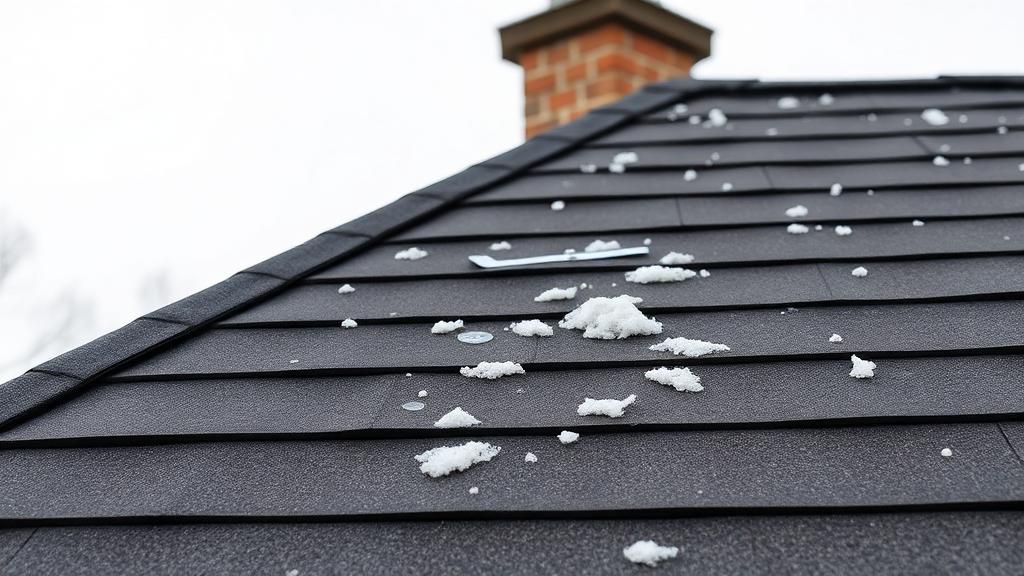
Introduction to Hail Damage on Long Island Roofs
Long Island homeowners face unique challenges when it comes to protecting their properties from severe weather events. Hailstorms, while not as frequent as in some other regions, can cause significant damage to residential roofing systems. Understanding what hail damage looks like and how to properly document it is crucial for filing successful insurance claims.
When hailstones strike your roof, they can compromise the integrity of shingles, gutters, and other roofing components. The damage may not always be immediately visible from ground level, making professional inspection essential after any significant storm event.
Common Signs of Hail Damage on Asphalt Shingles
Asphalt shingles are the most common roofing material on Long Island homes, and they show distinct signs when damaged by hail. Look for these telltale indicators:
Circular Impact Marks: Hail creates round or irregular dents in shingles. These impacts often expose the black asphalt layer beneath the granule surface.
Granule Loss: One of the most common signs of hail damage is the loss of protective granules. Check your gutters and downspouts for excessive granule accumulation after a storm.
Soft Spots: When pressed, hail-damaged areas may feel soft or spongy compared to undamaged sections of the roof.
Cracked or Split Shingles: Larger hailstones can crack shingles completely, creating entry points for water infiltration.
How Hail Damage Affects Different Roofing Materials
Not all roofing materials respond to hail impact the same way. Understanding how your specific roof type shows damage is important:
Metal Roofing: Shows visible dents and dimples. While cosmetically concerning, metal roofs often remain functional despite denting.
Slate and Tile: These materials may crack or chip from hail impact. Damage is usually more obvious but also more costly to repair.
Wood Shakes: May split or show orange-colored impact marks where the wood has been freshly exposed.
Why Professional Inspection Matters
Many homeowners attempt to assess hail damage themselves, but professional inspection offers several advantages:
- Trained eyes can spot subtle damage that untrained observers miss
- Professionals understand what insurance companies look for in claims
- Proper documentation from experts strengthens your insurance claim
- Safety concerns make DIY roof inspection risky
Documenting Hail Damage for Insurance Claims
Proper documentation is essential for a successful insurance claim. The Texas Department of Insurance recommends filing your claim as soon as possible after discovering damage. Here's what you should do immediately after a hailstorm:
- Photograph Everything: Take wide shots and close-ups of all visible damage from safe vantage points
- Note the Date and Time: Record when the storm occurred and when you discovered damage
- Save Weather Reports: Collect local weather data confirming hail activity in your area
- Don't Make Permanent Repairs: Temporary protective measures are fine, but wait for your adjuster before permanent fixes
Common Insurance Claim Challenges
Insurance companies often try to minimize hail damage payouts. Be prepared for these common challenges:
- Claims that damage is due to wear and tear rather than hail
- Undervaluation of repair costs
- Delays in processing claims
- Requests for multiple inspections
According to the Consumer Financial Protection Bureau, understanding how insurance companies pay out claims can help you navigate the process more effectively.
This is where working with a licensed public adjuster can make a significant difference in your claim outcome.
How a Public Adjuster Helps with Hail Damage Claims
A licensed public adjuster works exclusively for you, not the insurance company. Here's how they can help:
- Thorough damage assessment using industry-standard methods
- Professional documentation that meets insurance company requirements
- Negotiation with insurance adjusters on your behalf
- Maximizing your settlement to cover actual repair costs
Long Island-Specific Considerations
Long Island's coastal location creates unique factors for hail damage claims:
- Salt air can accelerate deterioration of hail-damaged areas
- Higher contractor costs in the region should be reflected in settlements
- Local building codes may require upgraded materials during repairs
- Proximity to the coast may affect insurance policy terms
Next Steps After Discovering Hail Damage
If you suspect your Long Island home has sustained hail damage, take these steps:
- Contact your insurance company to report the potential claim
- Schedule a professional roof inspection
- Consider consulting with a public adjuster before accepting any settlement
- Keep all documentation organized and accessible
Conclusion
Hail damage on Long Island roofs requires prompt attention and proper documentation for successful insurance claims. Understanding what damage looks like, how to document it, and when to seek professional help can mean the difference between an adequate settlement and being left with out-of-pocket expenses.
Don't let insurance companies undervalue your claim. Contact Long Island Public Adjusters for a free claim review and ensure you receive the full compensation you deserve for your hail-damaged roof.
For official guidance on property insurance and claim rights, visit the New York State Department of Financial Services.
Need Help With Your Claim?
Get a free consultation with our licensed public adjusters.