What are Signs of Water Damage in Your Home?
Key takeaways
- •Water stains on ceilings and walls are the most obvious signs - look for yellow or brown rings that expand over time
- •Hidden signs include musty odors, increased humidity, and unexplained spikes in your water bill
- •Document all damage with photos and videos before making any repairs
- •File your insurance claim within 24-48 hours of discovering water damage
- •A public adjuster can identify hidden damage and maximize your settlement
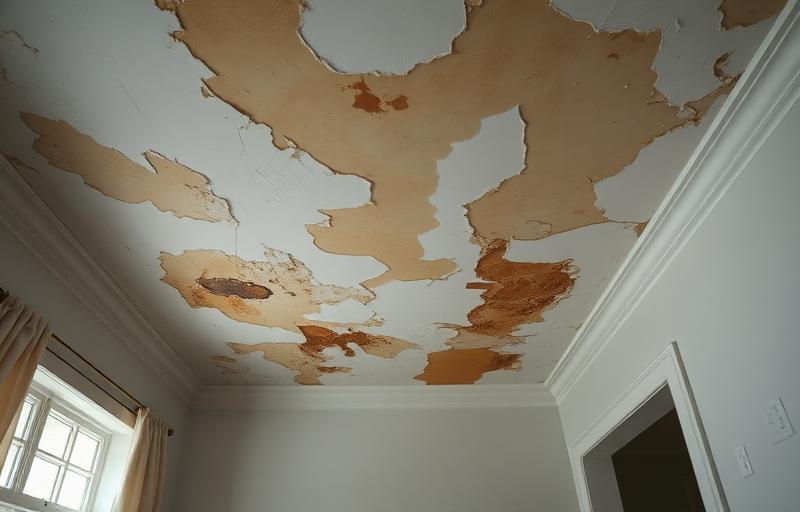
Why Early Detection Matters
Water damage is one of the most common and costly issues Long Island homeowners face. Whether from a burst pipe, roof leak, or flooding, water can cause extensive structural damage and create conditions for mold growth if not addressed quickly. Recognizing the early warning signs can save you thousands in repairs and protect your family's health.
Visible Signs of Water Damage
1. Ceiling and Wall Stains
The most obvious sign of water damage is discoloration on your ceilings or walls. Look for:
- Yellow or brown water rings
- Expanding stains that grow over time
- Dark spots or patches
- Stains that appear after rain or storms
2. Peeling or Bubbling Paint
When water gets behind walls, it causes paint to:
- Bubble or blister
- Peel away from the surface
- Appear warped or uneven
- Crack in unusual patterns
3. Warped or Buckled Flooring
Water damage often shows in your floors first:
- Hardwood floors that cup or crown
- Laminate flooring that swells or separates
- Tiles that become loose or crack
- Carpet that feels damp or has visible water lines
4. Visible Mold or Mildew
Mold typically appears within 24-48 hours of water exposure:
- Black, green, or white fuzzy patches
- Mold in corners or along baseboards
- Mildew in bathrooms or basements
- Mold behind furniture against exterior walls
Hidden Signs of Water Damage
1. Musty Odors
Even if you can't see water damage, you might smell it:
- Persistent musty or earthy smell
- Odors that worsen in certain rooms
- Smells that increase during humid weather
- Damp basement or crawl space odors
2. Increased Humidity
Unexplained moisture in your home could indicate hidden leaks:
- Condensation on windows
- Foggy mirrors that take longer to clear
- Humidity that doesn't respond to ventilation
- Damp feeling in the air
3. Higher Water Bills
A sudden spike in your water bill without increased usage often indicates:
- Hidden pipe leaks
- Running toilets
- Slab leaks under your foundation
- Leaking water heater
4. Foundation Cracks
Water damage can affect your home's structure:
- New cracks in foundation walls
- Widening existing cracks
- Doors or windows that suddenly stick
- Uneven or sloping floors
Common Causes of Water Damage on Long Island
Long Island homes face unique water damage risks:
- Nor'easters and coastal storms - Heavy rains and wind-driven water
- Hurricane season - Flooding and roof damage
- Frozen pipes - Cold winters can burst pipes
- High water tables - Basement flooding and moisture intrusion
- Aging infrastructure - Older plumbing in many Long Island homes
What to Do When You Find Water Damage
Document Everything
Before cleaning up:
Mitigate Further Damage
Take immediate steps to prevent additional damage:
Contact Your Insurance Company
File a claim promptly:
Consider a Public Adjuster
For significant water damage claims, a public adjuster can:
Preventing Future Water Damage
Regular Maintenance
- Inspect your roof annually, especially after storms
- Clean gutters and downspouts regularly
- Check caulking around windows and doors
- Service your water heater and plumbing
Install Prevention Systems
- Sump pump with battery backup
- Water leak detectors
- Automatic water shut-off valves
- Proper drainage around foundation
Get Professional Help
If you've discovered water damage in your Long Island home, don't wait. The longer water sits, the more damage it causes and the more expensive repairs become. Contact LIA Claims for a free claim review - our public adjusters specialize in water damage claims and can help ensure you receive the maximum settlement you're entitled to under your policy.
For official guidance on property insurance and claim rights, visit the New York State Department of Financial Services.
Need Help With Your Claim?
Get a free consultation with our licensed public adjusters.